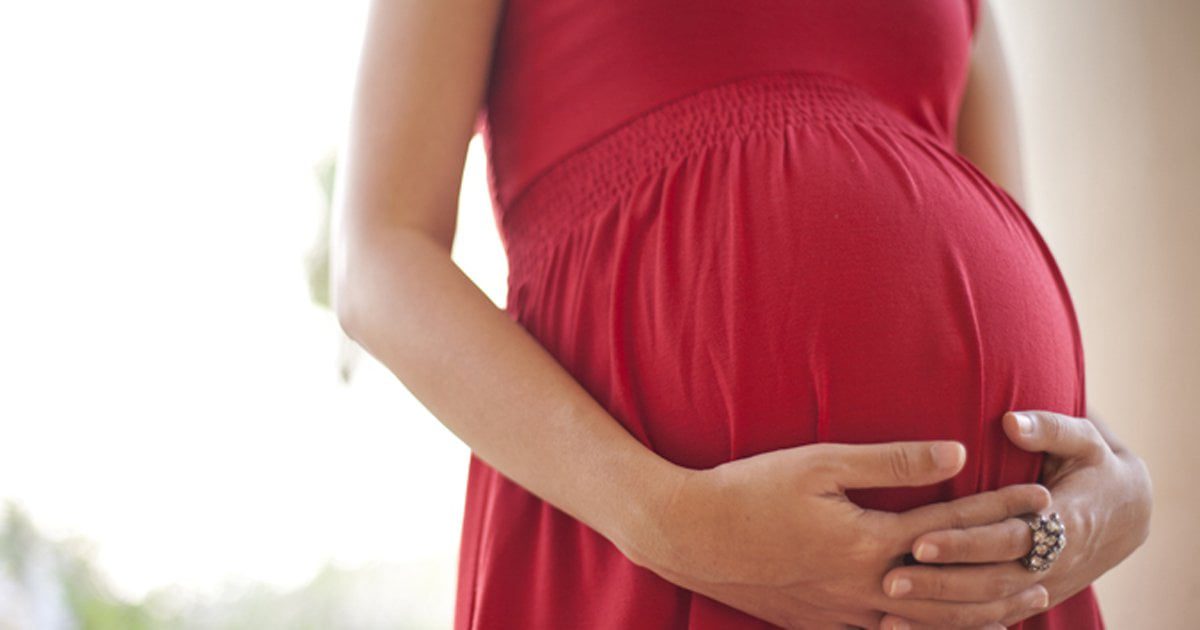
Causes of headache during pregnancy? When to be aware?

Headaches are very common in pregnancy, and most of them are harmless. Hormone changes, poor sleep, dehydration, hunger, stress and caffeine withdrawal cause the majority. A Headache during pregnancy can also be a warning sign of preeclampsia, a pregnancy-related blood pressure condition, so you need to know which headaches to take seriously.
Short answer: Most pregnancy headaches come from hormonal shifts, tiredness, dehydration, low blood sugar, stress or muscle tension, and they ease with rest, water, food and a safe pain reliever approved by your doctor. See a doctor the same day if a headache is severe, does not go away, or comes with blurred vision, flashing lights, swelling of the face or hands, or pain under the right ribs, especially after 20 weeks.
Pregnancy guidelines week by week! Just Follow To Know the Pregnancy stages!
How Common Are Headaches in Pregnancy
Most women have at least some headaches during pregnancy. They are especially common in the first trimester, when hormone levels rise quickly and the body is adjusting to a higher blood volume. For many women, headaches improve or even disappear in the second trimester. Some women notice them return near the end of pregnancy, partly from poor sleep, back and neck strain, and stress.
Women who had migraines before pregnancy may notice a change. Many get fewer migraines, particularly in the second and third trimesters, while some get more, or have a migraine for the first time. Either pattern can be normal.
Common Causes by Trimester
First trimester
- Rising estrogen and progesterone levels
- Increased blood volume
- Morning sickness, which leads to dehydration and skipped meals
- Caffeine withdrawal, if you cut back suddenly
- Fatigue and broken sleep
- Stress and worry about the pregnancy
Second trimester
- Poor posture as your body begins to change shape
- Pregnancy rhinitis, a stuffy nose that affects many women and can cause sinus pressure
- Dehydration, especially in Bangladesh’s hot and humid weather
- Missed meals and low blood sugar
Third trimester
- Neck, shoulder and back tension from the extra weight
- Sleep problems from discomfort, heartburn and frequent urination
- Anxiety about delivery
- High blood pressure and preeclampsia, which usually appear after 20 weeks
One point from older advice needs correcting. Blood pressure does not usually rise in early pregnancy. It often drops a little in the first half, then returns to the usual level toward the end. So a headache in early pregnancy is rarely due to high blood pressure, unless you already had it before you got pregnant.
Types of Headaches
Tension headache. The most common kind. It feels like a tight band or dull pressure around the head, with tight neck and shoulder muscles. It tends to worsen with stress, poor sleep and long periods at a screen.
Migraine. A throbbing pain, often on one side, with nausea, sensitivity to light and sound, and sometimes visual changes before the pain starts, called aura. Migraines can last from a few hours to three days.
Sinus headache. Pain and pressure around the forehead, cheeks and nose, often with a blocked nose. In pregnancy this is often from pregnancy rhinitis or a cold. True sinus infection comes with fever, thick discharge and facial tenderness and needs a doctor.
Cluster headache. Rare. Severe pain around one eye, with a watering eye or runny nostril, in repeated attacks.
Headache from high blood pressure. Often constant, severe and not relieved by usual pain relievers. This is the one that needs urgent attention.
Headache and Preeclampsia
Preeclampsia is a pregnancy condition that causes high blood pressure and signs that the organs, especially the kidneys and liver, are under strain. It usually begins after 20 weeks of pregnancy and is most often found in the third trimester. It can also appear for the first time after delivery, most often in the first week and sometimes up to six weeks afterward.
Doctors diagnose it when blood pressure reaches 140/90 mmHg or higher on two readings at least four hours apart, together with protein in the urine or other signs of organ involvement, such as abnormal liver tests, low platelets or kidney problems. A headache that appears with high blood pressure is a serious sign.
Preeclampsia can lead to complications for both mother and baby, including seizures (eclampsia), liver and kidney damage, bleeding problems, separation of the placenta, poor growth of the baby and early delivery. With regular checks and early treatment, most women do well.
Who has a higher risk?
- First pregnancy
- Preeclampsia in a past pregnancy, or in a mother or sister
- Chronic high blood pressure, diabetes, kidney disease or autoimmune disease
- Twins or more
- Age over 35, or a teenage pregnancy
- Obesity
- A gap of more than ten years since the last pregnancy
The only cure is delivery of the baby and placenta. Whether to deliver right away depends on how far along you are and how severe the condition is. If you are near term, doctors usually deliver. If you are early, they may monitor you closely and give medicines to control blood pressure and help the baby’s lungs mature while waiting. Women at high risk are sometimes advised to take low-dose aspirin from early in the second trimester to lower the chance of preeclampsia. Do this only if your doctor prescribes it.
Warning Signs
A headache is more concerning when it comes with any of these:
- A severe headache that does not ease with rest, water, food and your doctor-approved pain reliever
- Blurred vision, double vision, flashing lights, spots or temporary loss of vision
- Sudden swelling of the face, hands or around the eyes
- Pain in the upper right abdomen or just below the ribs, or pain in the shoulder
- Nausea or vomiting that begins suddenly in the second half of pregnancy
- Sudden weight gain, for example more than 1 kg in a week
- Shortness of breath
- Reduced baby movements
- A blood pressure reading of 140/90 or higher
Go to the hospital immediately for a sudden, severe headache that peaks within seconds or minutes, a headache after a head injury, a headache with fever and a stiff neck, confusion, weakness on one side, difficulty speaking, a seizure or fainting. These are emergencies at any stage of pregnancy.
Safe Ways to Relieve a Headache
Start with simple steps that carry no risk to the baby.
- Drink water. Even mild dehydration can cause a headache. Sip steadily during the day instead of drinking a lot at once. Pregnant women often need more fluid in hot weather, and more if vomiting.
- Eat something. Have a small, balanced snack, such as a banana, bread with egg or yogurt with fruit. Eat small meals every few hours rather than long gaps.
- Rest in a quiet, dark room. Lie down for 20 to 30 minutes. Keep your phone and screens away.
- Use a cold or warm compress. A cold pack wrapped in a cloth on the forehead or eyes helps with migraine and sinus pain. A warm towel on the neck and shoulders helps with tension headaches. Avoid very hot baths or saunas, because overheating is not safe in pregnancy.
- Massage. Gently massage the scalp, temples, neck and shoulders, or ask your partner to help.
- Fix your posture. Support your back with a pillow when sitting. Take breaks from the phone and computer, and stretch your neck and shoulders.
- Sleep better. Sleep on your left or right side with a pillow between the knees. Keep regular sleep and wake times.
- Cut stress. Slow breathing, gentle walking, prenatal yoga or relaxation exercises can help. Ask your doctor before starting a new exercise.
- Open a blocked nose. Saline nasal spray or rinsing with saline can ease a stuffy nose. Check with your doctor before using decongestant medicines.
Keep a headache diary. Note the date, time, how long it lasted, what you ate and drank, how you slept and any other symptoms. After two weeks, patterns often appear, such as missed meals, too little water or too many hours at a screen. Show the diary to your doctor if headaches continue.
Medicines: What Is Generally Safe and What to Avoid
Always ask your doctor or midwife before taking any medicine in pregnancy, including those sold without a prescription.
Paracetamol (acetaminophen). This is the pain reliever doctors most often consider first for headache during pregnancy, taken at the lowest effective dose for the shortest time. Your doctor will tell you the dose that suits you. Do not exceed it, and check labels on cold and flu products, since many already contain paracetamol.
Avoid unless your doctor prescribes them:
- Ibuprofen, diclofenac, naproxen and other anti-inflammatory painkillers (NSAIDs), which are generally avoided in pregnancy and especially after 20 weeks
- Aspirin at pain-relief doses. Low-dose aspirin is a separate matter and is only used on medical advice
- Migraine medicines such as ergotamines
- Herbal remedies and essential oils taken by mouth
If you have frequent or severe migraines, your doctor can recommend a safe plan, and some migraine medicines can be used under supervision.
How to Prevent Pregnancy Headaches
- Drink enough water through the day and carry a bottle with you
- Eat regular small meals and snacks
- Keep a consistent sleep schedule and rest in the afternoon if you can
- Reduce caffeine slowly. Most guidelines say that up to about 200 mg a day is considered acceptable in pregnancy, which is roughly one 300 ml mug of coffee. Tea, cola and chocolate count too. Cutting down gradually avoids withdrawal headaches
- Limit screen time and take breaks
- Practice relaxation, gentle exercise and good posture
- Notice your triggers, such as strong smells, bright lights, certain foods or skipped meals, and avoid them
- Attend every antenatal visit so your blood pressure and urine are checked
If you are at high risk, ask your doctor whether home blood pressure monitoring is right for you. A validated upper arm monitor gives the most reliable readings. Sit quietly for five minutes, keep your arm at heart level, and record the readings to share at your visits.
For symptom information and support, the Preeclampsia Foundation has a free resource site at https://www.preeclampsia.org
When to See a Doctor
Call your doctor or midwife the same day if:
- Headaches are frequent, getting worse or keep returning
- Pain relievers approved by your doctor do not help
- You have swelling of the face or hands
- Your blood pressure is 140/90 or higher
- You have any visual changes, upper abdominal pain or sudden nausea after 20 weeks
Go to the nearest hospital without delay if you have any of the emergency signs listed above. Do not wait to see if a severe headache settles by itself, and do not drive yourself if you feel unwell.
Headaches After Delivery
Headaches can continue or begin after the baby is born. Common causes are tiredness, dehydration, hormone changes, stress and, if you had an epidural or spinal anesthetic, a headache that gets worse when you sit up or stand and eases when you lie down. Postpartum preeclampsia can also cause severe headache, even if your blood pressure was normal during pregnancy. Seek urgent help if you have a severe headache, vision changes, swelling, shortness of breath or chest pain in the days and weeks after delivery.
Frequently Asked Questions
Is it normal to have headaches in early pregnancy?
Yes. Hormone changes, higher blood volume, tiredness, nausea and caffeine withdrawal commonly cause headaches in the first trimester. They often get better in the second trimester. See a doctor if they are severe or do not respond to simple measures.
Which headache during pregnancy is dangerous?
A severe headache that does not go away, a sudden thunderclap headache, or a headache with blurred vision, swelling, upper abdominal pain, fever and stiff neck, confusion or seizure needs urgent medical care. After 20 weeks it can signal preeclampsia.
Can a headache be the only sign of preeclampsia?
It can be one of the first signs, though most women also have high blood pressure when checked. That is why regular blood pressure checks in antenatal care matter. Do not rely on symptoms alone.
Can I take paracetamol for a headache while pregnant?
Paracetamol is generally the first choice for pain relief in pregnancy when used as advised. Use the lowest dose that works, for the shortest time, and speak to your doctor if you need it often.
Why do I get headaches when I am hungry or thirsty in pregnancy?
Your body uses more fluid and energy in pregnancy. Skipped meals lower blood sugar, and not drinking enough reduces blood volume, and both can trigger headaches.
Do headaches harm the baby?
Ordinary headaches do not harm the baby. The causes behind a serious headache, such as preeclampsia, can, which is why you should get checked if you have warning signs.
How much caffeine is safe during pregnancy?
Most guidelines suggest staying under about 200 mg a day. Cutting down slowly prevents withdrawal headaches.
When do preeclampsia headaches start?
Preeclampsia can start from 20 weeks of pregnancy, and it is most common in the last trimester. It can also develop after birth, for up to six weeks.