Home Remedies for Acne and Large Pores: What Works, What Does Not and What to Avoid
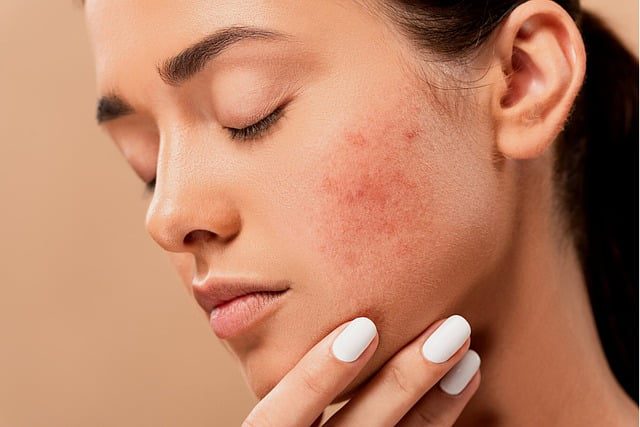
You cannot permanently shrink your pores with a home remedy, or with any cream. Pore size is mostly set by genetics. What you can do is make pores look smaller by keeping them clear of oil and dead skin, treating acne, and protecting your skin from the sun. A gentle routine, sunscreen and the right over-the-counter ingredients work better than kitchen mixtures, and some popular home recipes, like baking soda and lemon, can damage your skin.
Short answer: Wash your face twice a day with a mild cleanser, use a light moisturiser, wear sunscreen every morning, and add one proven ingredient such as salicylic acid. A plain yogurt mask is a harmless extra, but it will not change your pores. Do not use baking soda or lemon juice on your face. See a doctor or dermatologist if acne is painful, leaves scars or does not improve after a couple of months.
This guide explains what causes large pores, what to do about them, which home remedies are safe, why the baking soda and lemon mix from older guides is a bad idea, and when to get professional help. It is general information, not medical advice.
Tea tree oil skin benefits and uses
Can you shrink pores?
No. Dermatologists agree that pores cannot be opened, closed or made permanently smaller, because they are not muscles. What changes is how visible they look. Pores look larger when they fill with oil and dead skin, and they look smaller when they are clean and the skin around them is healthy. Products that claim to “shrink” pores mostly work by clearing out what is inside them, and the effect fades when the pore fills again.
So the realistic goal is not zero pores. It is pores that you notice less.
What makes pores look larger
Four main factors explain most cases.
Oily skin. Pores are the openings of oil glands. When your glands make a lot of oil, pores stretch and show more, especially on the nose, forehead and chin.
Genetics. If your parents have large pores, you are more likely to have them. You cannot change this part.
Clogged pores and acne. Oil and dead skin that build up inside a pore can stretch it and cause blackheads and pimples. Long-running acne also keeps pores looking enlarged.
Sun damage and ageing. Sun exposure breaks down collagen, and as skin loses firmness, pores look more noticeable.
Heavy, greasy products can also block pores. Look for products labelled “non-comedogenic,” which means they are designed not to clog pores. Heat and humidity make many people sweat and produce more oil, so you may notice more shine and visible pores in warm months.
The two remedies from the old version of this guide
Yogurt, egg white and ice
Plain yogurt contains a small amount of lactic acid, which can gently loosen dead skin, and an egg white mask feels tight as it dries. That tightening feeling is temporary. There is little solid evidence that this combination changes pore size.
If you still want to try it, you can do so with a few precautions:
- Do a patch test first. Put a small amount on your inner arm and wait a day. Egg allergy and skin reactions are possible.
- Use plain, unsweetened yogurt, and leave the mask on for only a short time, such as ten minutes.
- Wrap the ice in a clean cloth, and hold it on your skin for a few seconds at a time. Rubbing ice directly on your skin for long can irritate it, and it does not close pores.
- Do not use it on broken, inflamed or very sensitive skin.
- Once or twice a week is plenty.
Treat it as a pleasant routine, not a treatment.
Baking soda and lemon
Do not use this mixture on your face. The old version of this guide recommended it twice a week, and that advice was wrong.
Healthy skin is slightly acidic, with a surface pH below 5, and that acidity protects the skin barrier and helps control bacteria. Baking soda is alkaline, so it pushes the skin in the wrong direction and can leave it dry, irritated and more prone to breakouts. Dermatologists warn against using it on the face.
Lemon juice causes a different problem. It is very acidic and irritating, and it contains plant compounds that react with sunlight. Contact with lemon or lime juice followed by sun exposure can cause phytophotodermatitis, a skin reaction with redness, blisters and dark marks that can last for months. This can happen even after a short time outdoors.
If you have already used this mixture and your skin is red, burning or peeling, stop, rinse with cool water, use a plain moisturiser and keep out of the sun. See a doctor if you have blisters or severe pain.
A safer routine for acne and visible pores
| When | What to do |
|---|---|
| Morning | Wash with a mild cleanser. Apply a light, non-comedogenic moisturiser. Apply a broad-spectrum sunscreen |
| Evening | Remove sunscreen and makeup, wash with a mild cleanser, apply your treatment product if you use one, then moisturise |
| Once or twice a week | Use a clay mask or a gentle exfoliating product, if your skin tolerates it |
| Every day | Avoid touching, picking or squeezing your face |
Wash gently, but not too often
Wash twice a day, once in the morning and once at night, and after heavy sweating. Washing more than that can dry out your skin, and dry skin can produce more oil in response. Use lukewarm water, a mild cleanser and your fingertips. Avoid harsh scrubs, which can irritate the skin and make pores look worse.
Moisturise even if your skin is oily
Skipping moisturiser does not stop oil. Gel or water-based, non-comedogenic moisturisers hydrate without feeling heavy.
Wear sunscreen every day
Sun damage breaks down collagen, and loss of firmness makes pores more visible. Sunscreen also stops dark marks left by acne from getting darker. Use a broad-spectrum sunscreen on your face every morning, and reapply if you are outdoors for long. Choose a light or gel formula that is labelled non-comedogenic.
Remove makeup every night
Makeup and sunscreen left on overnight can clog pores. Use a cleanser or a gentle makeup remover before bed.
Keep your hands and fabrics clean
Wash pillowcases and towels regularly, clean your phone screen, and keep your hands off your face. Never squeeze blackheads and pimples. Squeezing can push oil deeper, spread bacteria, stretch the pore and leave scars or dark marks.
Ingredients that can help
These products are available without a prescription in many countries. Check what is sold in your area, and ask a pharmacist or doctor if you are not sure what to buy.
Salicylic acid. This ingredient goes into the pore and helps clear oil and dead skin. It is found in cleansers and serums, often at around 2 percent. It suits oily and acne-prone skin and helps with blackheads.
Retinoids (including retinol and adapalene). These help clear clogged pores, reduce acne and improve skin texture over time. They can dry and irritate skin at first, so start slowly, use a small amount a few nights a week, and always wear sunscreen. If you are pregnant or planning a pregnancy, talk to a doctor before using retinoids.
Benzoyl peroxide. This kills acne-causing bacteria and helps with inflamed pimples. It can dry skin and bleach fabric, so apply it carefully.
Clay masks. They absorb surface oil for a short time and can make skin feel less greasy. Use them once or twice a week, not daily.
A few rules apply to all of them. Introduce one new product at a time, patch test it first, and give it several weeks before you judge it. Skin changes take time, and adding several strong products at once is a common cause of irritation. If your skin burns, stings or peels badly, stop.
Things to avoid
- Baking soda, lemon or lime juice, and toothpaste on the face.
- Harsh scrubs and rough cloths.
- Washing your face many times a day.
- Very hot water.
- Picking, squeezing or scraping blackheads.
- Heavy, oily creams that clog pores.
- Sleeping in makeup.
- Using several strong active products at once.
- Leaving the sun unprotected.
What about food?
Some people notice that certain foods seem to make their acne worse, such as sugary foods or dairy, but the research is mixed and results differ from person to person. A balanced diet, enough water and good sleep support skin health, but they will not change your pore size. If you suspect a food trigger, keep a simple diary for a few weeks to see whether there is a pattern.
How long does it take?
Skin renews itself slowly. Many treatments need around four to eight weeks of regular use before you see a clear change, and acne can take longer to settle. Give any routine a fair trial before you switch. If you keep changing products every week, you never learn what works.
When to see a doctor or dermatologist
Get professional advice if:
- You have deep, painful lumps or cysts.
- Your acne leaves scars or dark marks.
- Nothing improves after about two months of regular treatment.
- Acne affects your confidence or mood.
- Your skin is badly irritated or reacted to a home remedy.
- You are pregnant or breastfeeding and want to use any active ingredient.
A dermatologist can prescribe stronger treatments, such as prescription retinoids and other medicines, and can offer procedures such as chemical peels or laser treatments that may improve the look of pores and acne marks. These are not magic, and results vary, but they have much more evidence behind them than kitchen mixtures.

Frequently asked questions
Can you permanently shrink large pores?
No. Pore size is mostly genetic, and no cream or home remedy can change it permanently. You can make pores look smaller by keeping them clean, treating acne and protecting your skin from the sun.
Does ice close pores?
No. Pores do not open and close. Cold may make skin feel tighter for a short time, but it does not change pore size. If you use ice, wrap it in a cloth and keep contact brief.
Is baking soda good for acne?
No. Baking soda is alkaline and can disrupt your skin’s protective barrier, leaving it dry and irritated. Dermatologists advise against putting it on the face.
Is lemon juice safe on the face?
It is not recommended. Lemon juice is very acidic, and when it is on your skin in the sun, it can cause a painful reaction called phytophotodermatitis that may leave dark marks for months.
Is a yogurt mask good for pores?
It is generally mild and safe for most people, and it may leave skin feeling smooth for a short time. There is little evidence that it reduces pore size. Use plain yogurt, patch test first and keep it to once or twice a week.
What is the best ingredient for large pores?
Salicylic acid and retinoids have the most support. Salicylic acid clears oil and dead skin from inside the pore, and retinoids help prevent clogging and improve texture over time. Start slowly and wear sunscreen.
How often should I wash my face if I have acne and oily skin?
Twice a day is enough for most people, plus after heavy sweating. Washing more often can dry and irritate your skin.