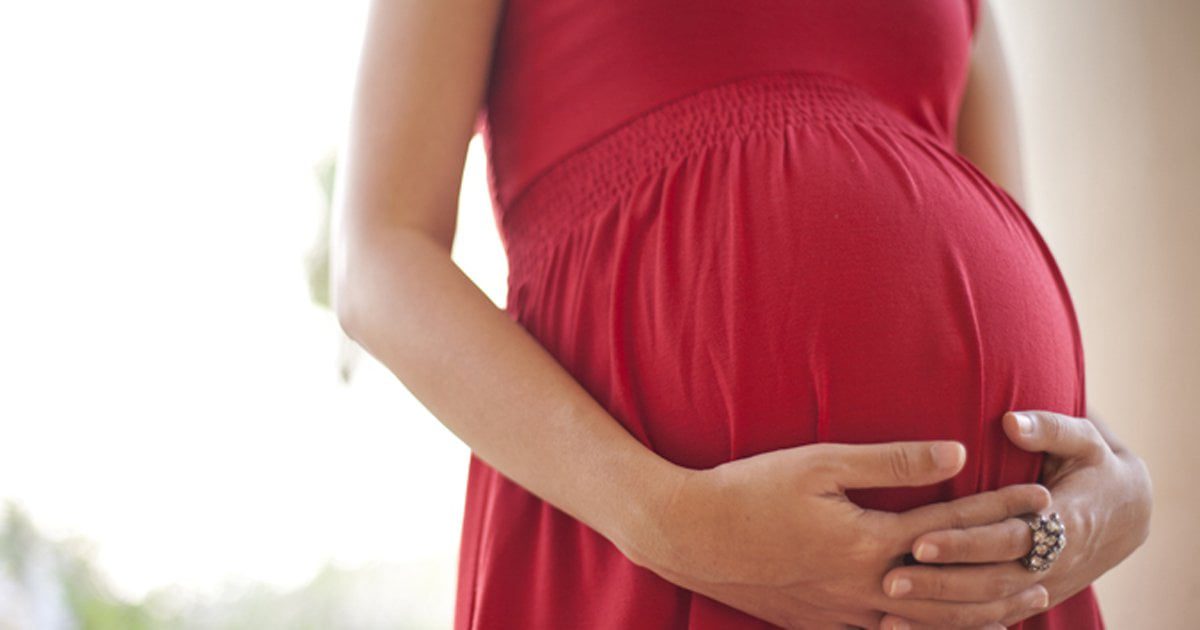
Short Answer: At 32 week pregnancy, your baby is about 42 cm from head to heel, roughly the size of a large jicama or a squash, and weighs around 1.7 kg. The toenails and fingernails are fully formed, the bones are hard apart from the skull, the lungs are practising breathing and most babies settle head down around now. The top of your womb is about 11 to 12 cm above your navel. You may have backache, heartburn, swollen feet, breathlessness, tiredness and more Braxton Hicks tightenings. This week, check whether you need a growth scan or a placenta recheck, confirm your baby’s position over the next four weeks, start your leave, begin packing your hospital bag and finalise your emergency plan. Call a doctor the same day for any change in your baby’s movements, and for bleeding, severe pain, fever, fluid leaking, regular tightenings or a severe headache with blurred vision.
Pregnancy weeks are counted from the first day of your last period, not from conception. Thirty-two weeks pregnant means about thirty weeks since conception. You are in your eighth month, with about 8 weeks to go.
For the week before, read our guide to 31 weeks pregnant, and to follow the whole journey see our pregnancy guidelines week by week.
33 Weeks Pregnant: Baby Development, Symptoms and Tips
Week 32 at a glance
| Detail | At 32 weeks |
|---|---|
| Trimester | Third |
| Months | About 7.5 to 8 |
| Baby’s length | About 42 cm (16.7 inches), head to heel |
| Baby’s weight | About 1.7 kg (3.7 pounds) |
| Heart rate | About 120 to 160 beats per minute |
| Weeks to go | About 8 |
| Size comparison | A large jicama or a squash |
| Height of womb | About 32 cm from the pubic bone |
Sizes differ a little between guides, because they use averages from different groups of babies. Your own scan results and your doctor’s measurements matter more than a chart.
Your baby at 32 weeks
Growth. Your baby gains about 200 to 250 grams a week, and about a third of the weight is fat now. The skin is turning from red to pink and is smoother as fat fills out the wrinkles. The body is plump, and the head is in better proportion.
Nails and hair. The fingernails and toenails are fully formed, and the nails may reach the fingertips. Many babies are born with long nails and scratch their faces, so keep a soft mitt or a nail file handy. Hair on the head is thicker. The fine lanugo hair is shedding, and most is gone by birth. Vernix, the white coating, is thicker and protects the skin.
Bones. The bones are hard, apart from the skull, which stays soft and in separate plates so the head can mould during birth. Your baby takes calcium from you, so keep up your calcium and vitamin D.
Brain. The brain is growing quickly, and your baby spends most of the day in sleep cycles with rapid eye movements. Babies at this stage can recognise your voice and familiar sounds, and may turn toward them.
Eyes and senses. The eyes open and close, and your baby can sense light through your belly. Taste buds are working, and your baby swallows flavoured amniotic fluid. Hearing is sharp, so loud noises may make your baby jump.
Lungs. The air sacs keep multiplying, and surfactant is increasing. The lungs are not fully mature until about 36 weeks, though most babies born now can breathe with some help. Your baby practises breathing by moving the chest, which may feel like rhythmic jumps similar to hiccups.
Digestion and urine. Your baby swallows and passes urine, about half a litre a day by term, into the amniotic fluid. The gut is practising, and meconium builds up in the bowel.
Immune system. Your antibodies pass to your baby through the placenta, mostly in the last weeks. The whooping cough and tetanus vaccines you receive give your newborn protection before they can be vaccinated.
Movement. Your baby is strong and active, with kicks, rolls, stretches and pushes. As space gets tight, movements feel more like rolls and presses than sharp kicks. The total amount should stay about the same until labour.
Position. Many babies turn head down around now. About 7 in 100 are still breech at 32 weeks, and most turn on their own by 36 weeks. At term, 3 to 4 in 100 are breech.
Chances at birth. Babies born at 32 weeks have a very high chance of survival in hospitals with good newborn intensive care, about 95 percent or more, though most need weeks of care for breathing, feeding and warmth. In places where newborn care is limited, the chances are lower. Steroid injections given to the mother before preterm birth help the baby’s lungs, and they work best one to seven days before birth. If you have signs of preterm labour, go to a hospital with a newborn unit early.
Your body at 32 weeks
Womb. The top of your womb is about 11 to 12 cm above your navel, close to the bottom of your ribcage. A tape measure from the pubic bone reads about 32 cm. Your doctor measures this at visits as a quick check of growth. A difference of up to 2 cm either way is normal. A measurement that is far off, or that stops growing, may lead to a growth scan.
Weight. A person of normal weight usually gains about 0.4 to 0.5 kg a week. By now most people have gained about 10 to 14 kg in total, though it varies. Sudden rapid weight gain, especially with swelling, needs a check for pre-eclampsia.
Blood and heart. Your blood volume is at its peak, up to 40 to 50 percent above normal, and your heart works hard. You may feel warm, sweat more, have a faster pulse and notice veins on your legs and breasts.
Breathing. The womb presses up on the diaphragm, so you may feel breathless on stairs or when lying flat. Sit upright, rest and avoid rushing. This often eases when the baby drops, usually 2 to 4 weeks before birth in a first pregnancy. Call your doctor if breathlessness is sudden, severe or comes with chest pain, a fast heartbeat or a cough with blood.
Skin and hair. A glow is common, but so are acne, dry skin, dark patches on the face (melasma) and a dark line down the belly (linea nigra). Stretch marks can appear on the belly, breasts, hips and thighs. Genetics matters more than any cream.
Breasts. They are larger and heavier. Colostrum, the thick yellow first milk, may leak. A supportive nursing bra and breast pads help.
Hands, feet and legs. Mild swelling is common, especially in hot weather. Tingling in the hands from carpal tunnel syndrome is common too. Varicose veins and piles can appear or get worse.
Tiredness. Tiredness is common, because of the weight you carry, poor sleep and the load on your heart and lungs. Rest when you can, and ask for help.
Mind. Vivid dreams, forgetfulness and mood swings are common. Many people feel closer to the baby, and also more anxious about the birth and about becoming a parent. A burst of energy and an urge to clean and organise, called nesting, is common. Avoid climbing, heavy lifting and strong cleaning fumes.
Your baby’s position and breech
Your baby’s position matters because it affects how the birth can happen.
| Position | What it means |
|---|---|
| Head down (cephalic) | The head is toward the pelvis. This is the usual and best position for a vaginal birth. About 96 in 100 babies are head down at term |
| Breech | The bottom or feet are toward the pelvis. About 3 to 4 in 100 babies at term |
| Transverse or oblique | The baby lies across the womb. Uncommon at term |
| Back-to-back (posterior) | Head down, but facing your front. Can cause more backache in labour. Many babies turn during labour |
How your doctor checks. By feeling your belly, and if needed, with an ultrasound. At 32 weeks, a breech baby is not unusual, and there is time to turn. Doctors check again at about 36 weeks.
If your baby is still breech at 36 weeks, you may be offered:
- External cephalic version (ECV). A doctor gently pushes on your belly to turn the baby, with ultrasound and a heart monitor. It is usually done from about 36 weeks in a first pregnancy and 37 weeks after earlier births, in a hospital that can do an emergency C-section. About half of attempts work. The risk of needing an emergency C-section afterwards is small, about 1 in 200. It can be uncomfortable, and a medicine to relax the womb may help. It is not advised if you are bleeding, have placenta praevia, have twins or another medical reason.
- A planned C-section, often at about 39 weeks, which is the safest option for many breech babies.
- A planned vaginal breech birth, in a few hospitals with experienced staff, for carefully chosen cases. Ask your doctor if this is possible for you, and what the risks are.
Things that may help your baby turn. There is limited proof for special positions, and some can be uncomfortable. Sitting upright with a forward-leaning pelvis, using a birthing ball, swimming and walking are safe and may encourage a good position. Do not try risky methods, such as hanging upside down or home manipulation, and do not start anything without your doctor’s advice.
Back-to-back babies. If your baby is head down but facing your front, you may get more back pain in labour. Leaning forward on a ball or a pillow, being on hands and knees and walking may help. Many babies turn on their own.
The 32-week scan and placenta checks
Not everyone needs a scan this week, but many doctors arrange one at about 32 weeks if there is a reason.
Reasons for a scan:
- A low-lying placenta or placenta praevia at the mid-pregnancy scan
- A womb measurement that is smaller or larger than expected
- High blood pressure, pre-eclampsia, diabetes or kidney disease
- Twins
- A previous baby that was very small or very large, or a stillbirth
- Bleeding, reduced movements or smoking
- A history of C-section or placenta problems
- Any concern about the amount of fluid
What it checks:
- Your baby’s size, using head, belly and thigh bone measurements
- The estimated weight, which can be off by 10 to 15 percent in either direction
- The amount of amniotic fluid
- The position of the placenta and the baby
- Blood flow in the umbilical cord and brain, using Doppler, if growth is a concern
Low-lying placenta and placenta praevia. Early in pregnancy, the placenta can lie low near the cervix. As the womb grows, most low-lying placentas move up and away by the third trimester. If it still covers or is close to the cervix at 32 weeks, your doctor will usually repeat the scan at about 36 weeks. A placenta that covers the cervix, called placenta praevia, blocks the way out, so a vaginal birth is not safe, and a planned C-section is advised, often at about 36 to 37 weeks. Warning signs are painless bright red bleeding. If you have praevia or a low-lying placenta:
- Avoid sex, and do not put anything in the vagina
- Avoid heavy lifting and strenuous activity
- Go to hospital at once for any bleeding, even a small amount, tightenings or pain
- Plan to stay near a hospital with blood and a C-section team, and arrange transport
- Talk to your doctor about the plan, the risk of heavy bleeding and the possibility of a hysterectomy in rare severe cases
If your scan shows a small baby, your doctor will look for the cause and may advise extra scans, rest, treatment of blood pressure or infections and a plan for timing the birth. A baby who is small but growing steadily, with normal fluid and blood flow, is often simply a small, healthy baby. If your baby is big, your doctor may check for diabetes and plan the birth. Do not rely on one measurement.
Fluid levels. Too little fluid (oligohydramnios) or too much (polyhydramnios) needs follow-up. Drink plenty of water, and keep your visits.
Common symptoms and what helps
| Symptom | Why it happens | What helps |
|---|---|---|
| Backache | Growing womb, loosening joints, posture | Flat supportive shoes, good posture, side-sleeping with a pillow, gentle stretches, support belt |
| Pelvic and hip pain | Loosening joints, sleeping position | Pillow between knees, small steps, avoid standing on one leg |
| Braxton Hicks tightenings | Practice contractions | Drink water, rest, change position |
| Leg cramps, mostly at night | Circulation and mineral changes | Calf stretches before bed, drink water, ask about calcium |
| Swollen feet and ankles | Fluid retention | Raise your feet, avoid long standing, drink water |
| Heartburn | Relaxed valve at the top of the stomach | Smaller meals, avoid spicy and oily food, stay upright after eating, raise your head in bed |
| Shortness of breath | Womb presses on the diaphragm | Sit upright, rest, good posture |
| Constipation, piles | Slow gut, iron tablets, pressure | Fibre, water, daily movement, do not strain |
| Trouble sleeping | Belly size, cramps, heartburn, worry | Side-sleeping with pillows, regular bedtime, cool room |
| Restless legs | Low iron, hormones | Gentle stretches, warm bath, ask about hemoglobin |
| Tingling hands | Fluid squeezing a nerve at the wrist | Shake and raise your hands, wrist splint at night |
| Frequent urination, leaking | Baby presses on the bladder | Pelvic floor exercises, empty your bladder often |
| Itchy, stretching belly skin | Skin stretching | Moisturiser, loose cotton clothes |
| Varicose veins | More blood volume, pressure from the womb | Raise your legs, walk daily, avoid long standing, ask about support stockings |
| Increased vaginal discharge | Hormones | Cotton underwear, no douching |
| Sharp pains under the ribs | Baby’s feet or head pressing on your ribs | Change position, stretch your arms overhead, sit upright |
Do not take any medicine, including painkillers and herbal products, without asking a doctor or pharmacist. Paracetamol at the recommended dose is generally considered safe. Avoid ibuprofen, aspirin and diclofenac unless your doctor prescribes them.
When to call a doctor
| Usually normal | Call a doctor soon |
|---|---|
| Short, sharp pulls in the lower belly | Severe or constant abdominal pain |
| Mild, irregular tightenings that stop with rest | Regular tightenings that come more often and do not stop |
| Your baby’s movements change a little with time of day | A clear drop or change in your baby’s usual movements |
| A few drops of urine when you cough or sneeze | Watery fluid that keeps leaking, or a gush |
| Occasional headache | Severe headache with blurred vision, flashing lights or upper belly pain |
| Itchy stretching belly skin | Intense itching of palms and soles, or yellow skin |
| Tiredness, mood swings | Fainting, chest pain or sudden breathlessness |
| Mild swelling of both feet late in the day | Sudden swelling of the face and hands, or one swollen, painful calf |
| Light, milky discharge | Any bleeding that soaks a pad, or any fresh bleeding |
Bleeding. Any bleeding in the third trimester needs urgent care, even if it is painless. Painless bright red bleeding can be a sign of placenta praevia, and bleeding with pain and a hard belly can be a placental abruption. Both are emergencies. Do not examine yourself internally, and go to hospital at once.
Pre-eclampsia. A serious blood pressure condition. Signs include a severe headache that will not go away, blurred vision or flashing lights, sudden swelling of the face and hands, pain under the ribs on the right side, vomiting and rapid weight gain. It needs urgent care.
Preterm labour. Call straight away if you have regular tightenings, more than four in an hour, a steady low backache, pelvic pressure, a change in vaginal discharge, bleeding or fluid leaking before 37 weeks. Lie on your left side and drink water, and go to hospital if the signs continue for an hour, or at once for bleeding or fluid leaking. Call 999 if you need help getting there.
Fever. In Bangladesh a fever can also mean dengue, so do not treat it at home. See a doctor straight away.
If you feel sad, anxious or hopeless for more than two weeks, tell your doctor. If you ever have thoughts of harming yourself, seek help right away.
Tests and visits
| Test or step | When | What it does |
|---|---|---|
| Blood pressure and urine check | Every visit | Screens for pre-eclampsia and infection |
| Hemoglobin check | Third trimester, or as advised | Looks for anaemia |
| Whooping cough vaccine | About 27 to 36 weeks | Protects your newborn |
| Tetanus-diphtheria vaccine | During pregnancy, as your doctor advises | Protects you and your baby |
| Growth scan or repeat placenta scan | If advised, about 32 weeks | Checks your baby’s size, fluid and placenta position |
| Group B strep test | About 35 to 37 weeks, where offered | Checks for a bacterium that can infect newborns |
| Position check | About 36 weeks | Checks whether your baby is head down |
| Repeat placenta scan | About 36 weeks, if low-lying | Checks if the placenta moved up |
Visits. Many doctors see you every two weeks until 36 weeks, then weekly. The World Health Organization recommends contacts at about 34, 36, 38 and 40 weeks, with more if there are problems. Keep every appointment, even if you feel well, and bring your prenatal card.
Ask at your next visit:
- What is my blood pressure, weight, hemoglobin and womb size?
- Do I need a growth scan or a placenta recheck?
- Is my baby head down?
- When is the best time and place for the birth, and what are the options?
- What should I do and where should I go if labour starts?
- Which vaccines and tests do I still need?
Write down the answers. If you have a medical reason for a planned C-section, ask for the date and what to do beforehand, such as when to stop eating and drinking.
Twins and higher-risk pregnancies
If you are carrying twins, 32 weeks is a key point. Twin pregnancies usually get a scan every two to four weeks to check growth, are more likely to deliver early and are usually advised delivery at about 36 to 37 weeks. Signs of preterm labour, pre-eclampsia and anaemia are more common, so be extra careful, rest more, eat well and keep every visit. Ask about the positions of both babies, and the best place and way to deliver. Plan help at home, because twins are hard work.
Other higher-risk situations include high blood pressure, diabetes, a previous preterm birth, a previous C-section, kidney or heart disease, HIV, a baby with a known problem and a mother under 18 or over 35. If you have one, make sure you:
- See a doctor who is experienced with high-risk pregnancies, and give birth in a hospital with a newborn unit, blood and operating theatre
- Keep all your appointments and extra scans
- Take medicines exactly as prescribed
- Know the specific warning signs for your condition
- Live near, or arrange to stay near, the hospital in the last weeks
- Plan transport, money and family help in detail
Packing your hospital bag
Pack by about 36 weeks, or sooner if you have twins, a high-risk condition or live far from the hospital. Keep the bag by the door, and tell your partner where it is.
| For you | For your baby | Papers and extras |
|---|---|---|
| 2 to 3 loose cotton nightgowns or front-opening tops | 4 to 6 soft cotton baby suits and caps | Prenatal card, test results and ultrasound reports |
| Underwear that you do not mind losing, and maternity or sanitary pads | 2 to 3 soft cotton wraps or light blankets | Your National ID, and your partner’s ID |
| 2 nursing bras and breast pads | Newborn nappies and wipes, or cotton cloths | Mobile phone, charger and a power bank |
| Toiletries, a towel and slippers | Socks and mittens | Cash, because some hospitals ask for payment in advance |
| Snacks, a water bottle and a flask | A going-home outfit | A note of your blood group and your doctor’s number |
| A change of clothes for going home | A soft cap | A pen and notebook, and a list of family contacts |
| A comfortable pillow from home | A car seat if you travel by car | A copy of your birth plan |
| A hair tie, lip balm and a book | A baby nail file | Your partner’s bag, with food and a change of clothes |
Leave at home: valuable jewellery, large amounts of cash and anything fragile.
Ask the hospital: what to bring, whether it supplies baby wraps and nappies, visiting hours, how many people can stay with you, and whether it asks for payment or blood donors in advance.
Your rights in childbirth
Every woman has the right to safe, respectful care during pregnancy, birth and after. The World Health Organization calls this respectful maternity care. Know what to expect, and ask for it.
You have the right to:
- Be treated with dignity and privacy, and be free from slapping, shouting, threats or insults
- Understand what is happening, and be told the reasons for any test or procedure in words you understand
- Give or refuse consent for procedures, including an episiotomy, a vaginal examination, a drip or a C-section, except in true emergencies
- Have a companion of your choice with you in labour, where the hospital allows
- Move around and choose a comfortable position in labour, where it is safe
- Ask for pain relief, and be told the options
- Have skin-to-skin contact with your baby and start breastfeeding in the first hour, if you and your baby are well
- Stay with your baby, and not be separated without a medical reason
- Receive an itemised bill, and a copy of your medical records
- Ask for a second opinion, and take your time before agreeing to a non-emergency C-section
Practical tips:
- Ask questions calmly, and ask for the doctor’s name
- Bring your partner or a trusted person who can speak up for you
- Write down your wishes and give a copy to the staff
- If you are mistreated, tell the hospital’s management, and you can call the national helpline 109 for violence against women, or use the Directorate General of Health Services complaint channels
- Know that many hospitals and staff work hard to give good care, and in an emergency, quick action matters more than long explanations
Food and supplements
Iron. Keep taking iron-folic acid tablets as prescribed. Take iron away from tea, coffee and milk, and with something sour such as lemon. Dark stools are normal on iron.
Calcium. Take calcium as prescribed, at a different time from iron.
Iodine. Use iodised salt in your cooking. Iodine supports your baby’s brain development.
Eat more of:
- Protein: eggs, well-cooked fish, chicken, lentils (dal), beans and milk
- Iron-rich foods: leafy greens (shak), lean meat and lentils, with lemon or guava for vitamin C
- Calcium-rich foods: milk, yogurt, and small fish such as mola eaten with the bones
- Fruit and vegetables: a variety of colours every day
- Whole grains and fibre: brown rice, whole wheat roti and oats
- Healthy fats: well-cooked oily fish, nuts and seeds
- Water: about 8 to 10 glasses across the day, more in hot weather
Calories. Your needs rise by about 450 calories a day in the third trimester, such as a glass of milk, a boiled egg, a banana and a handful of nuts. You do not need to eat for two.
Limit: caffeine to about 200 mg a day, which is one or two cups of tea or a single small coffee. Limit sweets, sugary drinks, juice and fried snacks. Large portions of white rice and bread push blood sugar up, so pair carbohydrates with protein and vegetables.
Avoid: alcohol, all tobacco (including zarda and jorda), raw or undercooked meat, fish and eggs, unpasteurized milk and cheese, unwashed produce, large predatory fish such as shark and swordfish, high-dose vitamin A supplements and herbal tonics your doctor has not approved.
Smaller, more frequent meals help with heartburn and breathlessness as your belly grows. Eat slowly, and avoid lying down for an hour after eating.
Weight gain. Total gain over the whole pregnancy depends on your weight before pregnancy, and Asian-specific BMI ranges may apply, so ask your doctor.
| Weight before pregnancy | Recommended total gain |
|---|---|
| Underweight | 12.5 to 18 kg |
| Normal weight | 11.5 to 16 kg |
| Overweight | 7 to 11.5 kg |
| Obese | 5 to 9 kg |
Exercise, sleep and posture
Exercise. The standard advice for healthy pregnancies is about 150 minutes of moderate activity a week, such as 30 minutes of brisk walking on most days. Walking after meals helps blood sugar. Swimming, prenatal yoga, stationary cycling, sitting on a birthing ball and pelvic floor exercises are good choices. You should be able to talk while you exercise. Avoid hot yoga, lying flat on your back during exercise, contact sports, heavy lifting and anything with a risk of falls. Stop and call your doctor if you have pain, bleeding, dizziness, trouble breathing, regular tightenings or fluid leaking.
Pelvic floor. Squeeze and lift the muscles you use to stop urine flow, hold for a few seconds and release. Do 10 repetitions a few times a day. Breathe normally, and do not tighten your buttocks or hold your breath. Strong pelvic floor muscles help with bladder control and with healing after birth.
Sleep. Sleep on your side, either side, with a pillow between your knees and another under your belly. Sleeping on your back in the third trimester is linked to a higher risk of stillbirth. If you wake on your back, turn onto your side. Do the same for naps. A long body pillow helps. Keep a regular bedtime and avoid screens at night. Hot, humid nights and power cuts can disturb sleep, so use a fan, wear loose cotton clothes and keep water by your bed.
Posture. As your belly grows, your centre of gravity shifts forward. Stand tall, keep your shoulders back, avoid high heels and use a chair that supports your lower back. Lift by bending your knees. A support belt can ease back pain, so ask your doctor.
Movement tracking. Keep tracking your baby’s movements. Learn the usual pattern, and if you want a method, count distinct movements until you reach ten, which usually takes under two hours. If you notice a clear drop or change, call your doctor the same day, and do not wait until the next day or rely on a home Doppler.
Preparing your other children and family
Children. Talk to them in simple words about the baby, show them the scan, let them feel the kicks and read books about new babies. Involve them in small tasks, such as choosing a blanket. Plan who will look after them when you go into labour, and tell them in advance. Expect some jealousy after the birth, and give each child special time. A small gift “from the baby” can help.
Partners. Join visits and classes, learn the danger signs and the emergency plan, and agree on who does what after the birth. Talk about how you will share night feeds and chores. Partners can feel anxious or low, so look after each other.
Family and in-laws. Tell them how you plan to give birth and feed your baby, so that you have support. Many families have traditions around food, rest and visitors. Take what helps, and politely refuse what does not. Exclusive breastfeeding for six months, with no water or honey, protects babies from infections.
Help at home. Arrange a relative or friend to cook, clean and help in the first weeks, so you can rest and feed your baby.
Pets and home. Wash bedding and baby clothes in mild soap, set up a firm, flat sleeping space, remove standing water around your home and keep a mosquito net ready.
Work, leave and money
- Notice. Give your employer written notice of your pregnancy and your expected delivery date, if you have not already.
- Maternity leave. Under Bangladesh’s labour law, working mothers in the private sector are entitled to 16 weeks of paid maternity leave, eight weeks before and eight weeks after the birth. Government employees receive six months. Leave before the birth can start about eight weeks before your due date, which is around week 32, which is now. Check your own contract and your employer’s policy, and confirm your start date in writing.
- Work. If you keep working, take breaks to sit, eat and drink, avoid heavy lifting and long standing and tell your doctor about night shifts or hazards. Stop work and call your doctor if you have regular tightenings, bleeding, fluid leaking or severe headaches.
- Money. Budget for delivery, newborn care, a possible hospital stay and emergencies. Ask the hospital for a written estimate that includes tests, delivery and complications.
- Hospital and emergency plan. Choose a hospital with a qualified doctor, a way to handle emergencies, a blood supply and a newborn care unit. Know your blood group, arrange transport and blood donors, keep money and documents ready and agree with your family to go to hospital at once if there is a danger sign. The national emergency number is 999.
- Birth registration. Register your baby’s birth with the local authority after the birth. It is free within 45 days.
If you feel unsafe at home, tell your doctor or a trusted person. In Bangladesh you can call the national helpline 109 for support with violence against women and children. It is free.
Checklist for this week
- Keep your visit this week, and check your blood pressure, weight, womb size and hemoglobin
- Ask whether you need a growth scan or a placenta recheck, and book it
- Ask about your baby’s position, and the plan if your baby is breech
- Take iron-folic acid and calcium as prescribed, at different times, and use iodised salt
- Ask about the whooping cough and tetanus-diphtheria vaccines if you have not had them
- Keep tracking your baby’s movements, and call the same day if the pattern changes
- Sleep on your side every night, including naps
- Learn the danger signs: bleeding, severe headache, preterm labour signs, fluid leaking and fever
- Start packing your hospital bag, and write a short birth plan
- Confirm your leave start with your employer
- Review your emergency plan: hospital, transport, blood donors, money and who decides
- Join or finish an antenatal and breastfeeding class
- Tell someone if you feel low or anxious
- Save your doctor’s number and the nearest hospital’s emergency number
FAQ
How big is the baby at 32 weeks?
About 42 cm from head to heel and 1.7 kg, roughly the size of a large jicama or a squash. Sizes vary a little between guides and between babies.
Can a baby survive if born at 32 weeks?
Most babies born at 32 weeks survive in hospitals with good newborn intensive care, about 95 percent or more, though they need weeks of care. Chances are lower where newborn care is limited. Go to hospital early if you have signs of preterm labour.
Is it a problem if my baby is breech at 32 weeks?
No. Many babies are breech at 32 weeks and turn on their own by 36 weeks. Your doctor checks again at about 36 weeks, and may offer ECV or a planned C-section if the baby is still breech.
What is a low-lying placenta?
A placenta that lies near or over the cervix. Most move up as the womb grows. If it does not, a rescan at about 36 weeks guides the plan, and a planned C-section is usually needed if it covers the cervix. Go to hospital at once for any bleeding.
Do I need a scan at 32 weeks?
Not always. Doctors advise one for a low-lying placenta, a womb size that is too small or too large, high blood pressure, diabetes, twins or other risks.
When should I start maternity leave?
Leave before the birth can start about eight weeks before your due date, which is around week 32. Confirm your dates with your employer in writing.
When should I pack my hospital bag?
By about 36 weeks, or earlier if you have twins, a high-risk condition or live far from the hospital. Start now.
What are my rights in childbirth?
To be treated with dignity and privacy, to understand and consent to procedures, to have a companion, to ask for pain relief, to skin-to-skin contact and to stay with your baby. Ask your hospital about its policies ahead of time.
Is it safe to exercise at 32 weeks?
Yes for most healthy pregnancies. Walking, swimming, gentle yoga and pelvic floor exercises are good. Avoid contact sports, heavy lifting, hot yoga and lying flat on your back during exercise.
Note: This article gives general information and does not replace advice from your doctor or midwife. Every pregnancy is different. Call your doctor or go to a hospital if you have bleeding, severe pain, fever, fainting, fluid leaking, a change in your baby’s movements or any symptom that worries you.